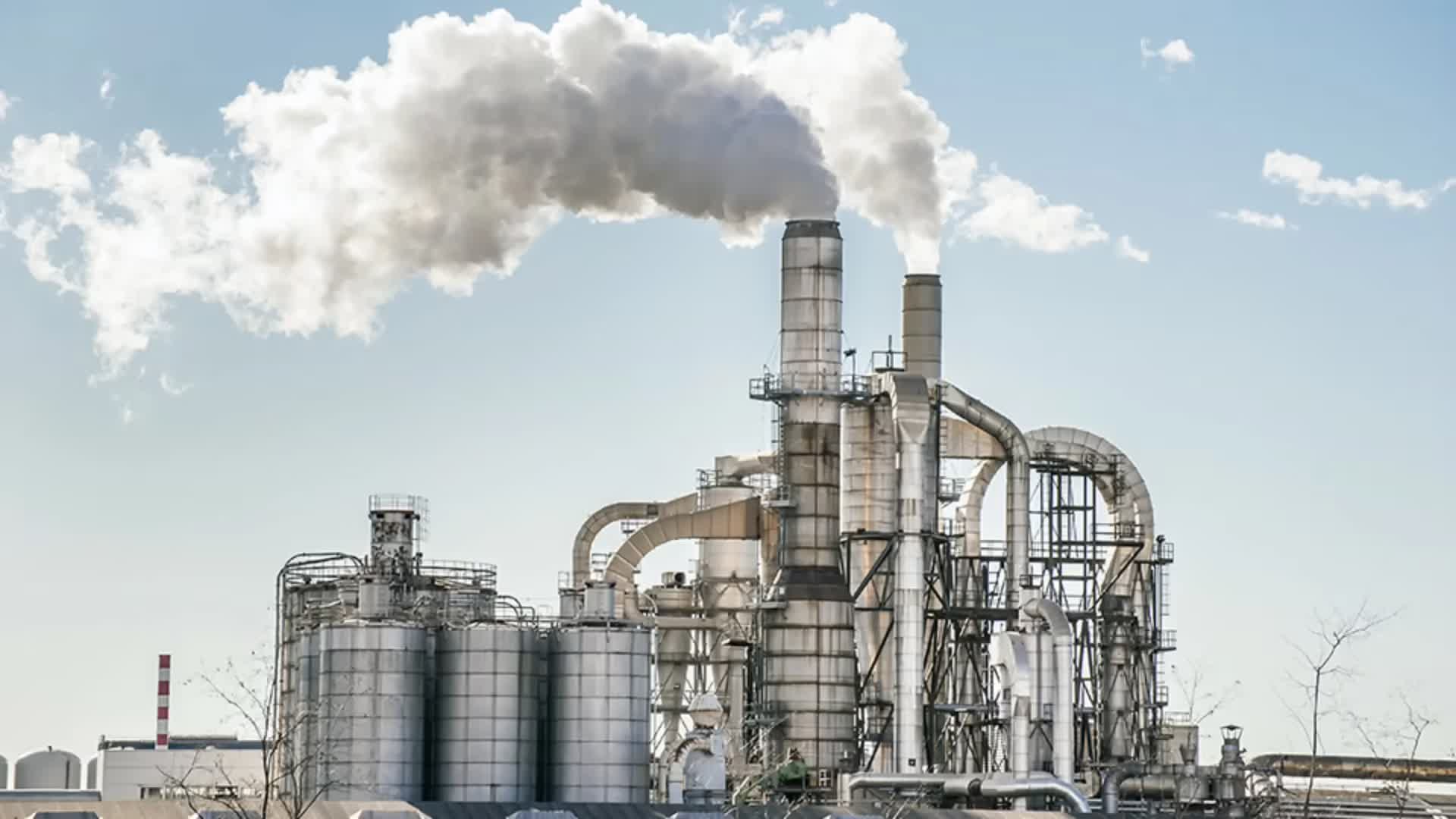
Unit operations are the fundamental physical steps involved in chemical and industrial processes. They do not change the chemical identity of substances; instead, they transform materials physically to achieve separation, purification, mixing, transport, or energy exchange. In chemical industries, complex processes are built by combining several unit operations in sequence.
Common examples include:
-
Mixing – combining materials to form uniform mixtures.
-
Heating & Cooling – transferring heat to raise or lower temperature.
-
Distillation – separating components based on differences in boiling points.
-
Filtration – removing solids from liquids or gases using a barrier.
-
Crystallization – forming solid crystals from a solution or melt.
-
Drying – removing moisture from solids or liquids.
-
Evaporation – concentrating solutions by removing solvent.
-
Size Reduction – grinding or crushing materials to smaller particles.
-
Fluid Flow Operations – pumping, transporting, or controlling the movement of fluids.
- Teacher: Admin User